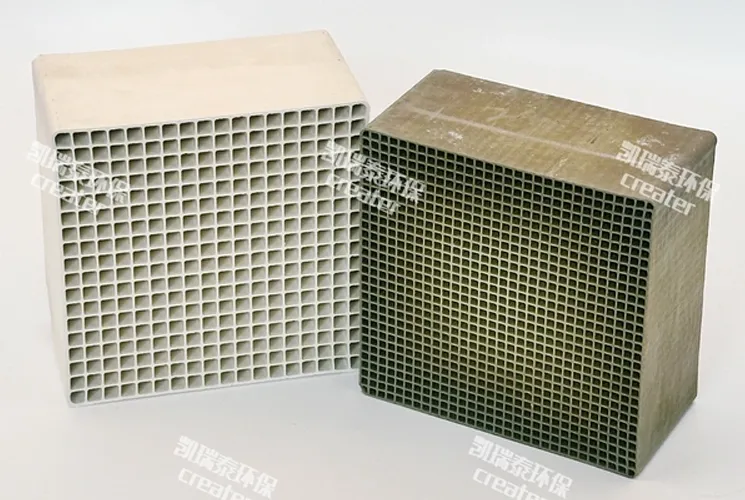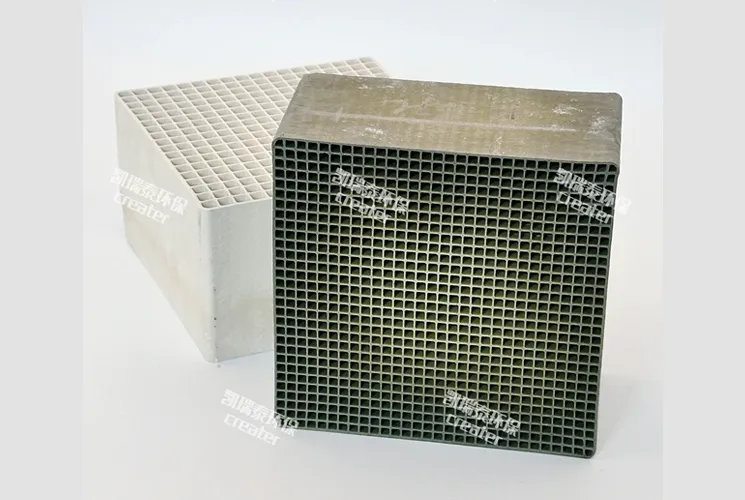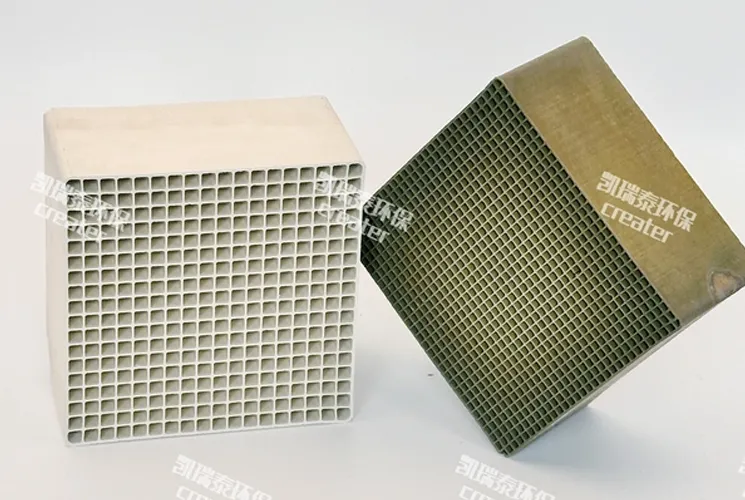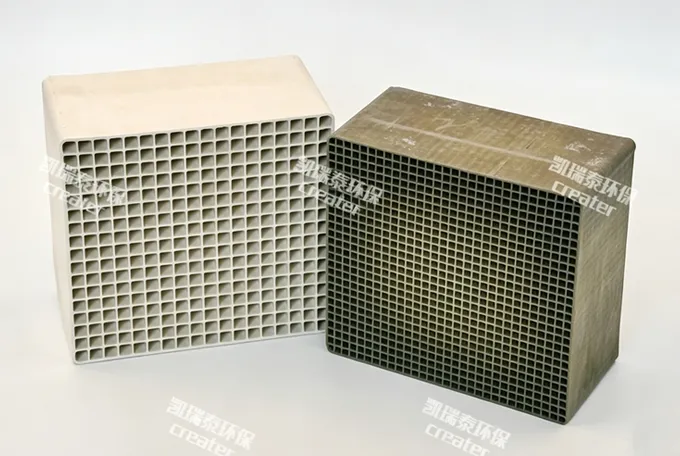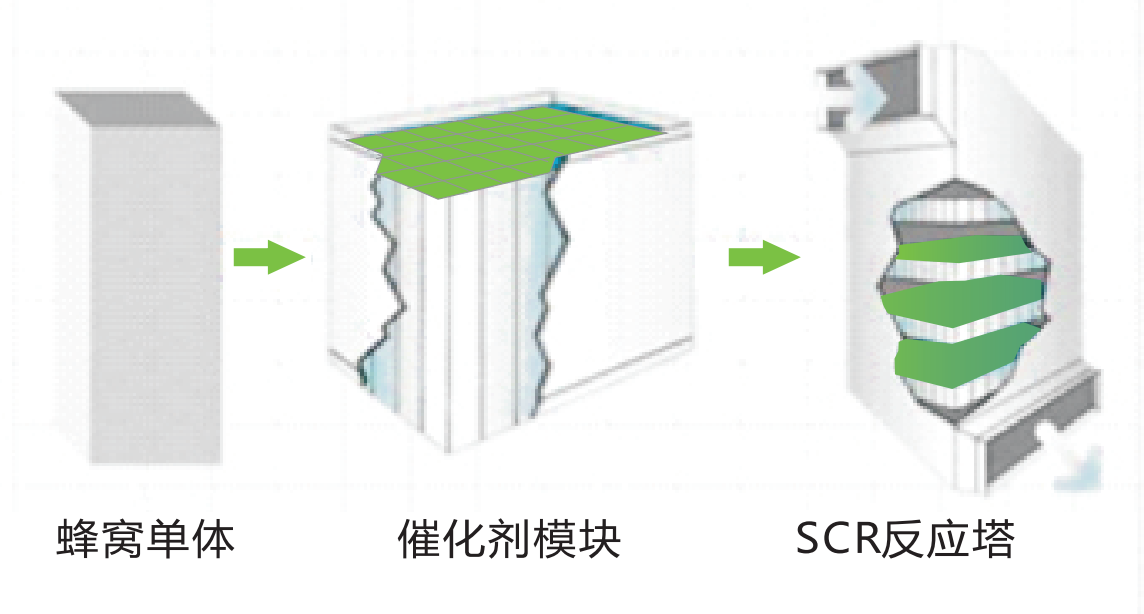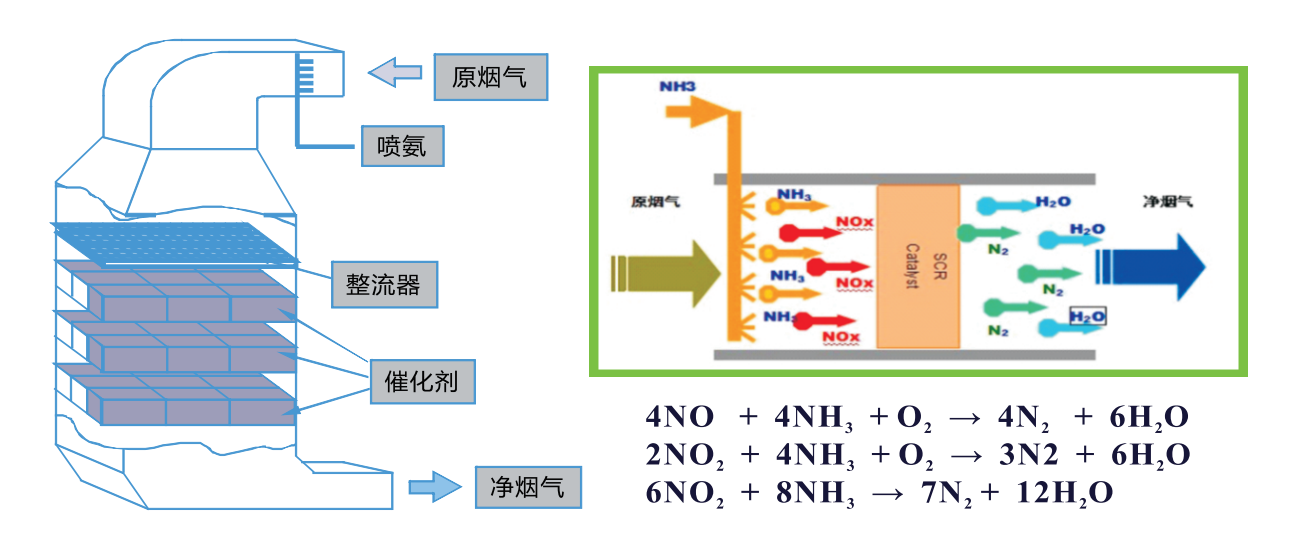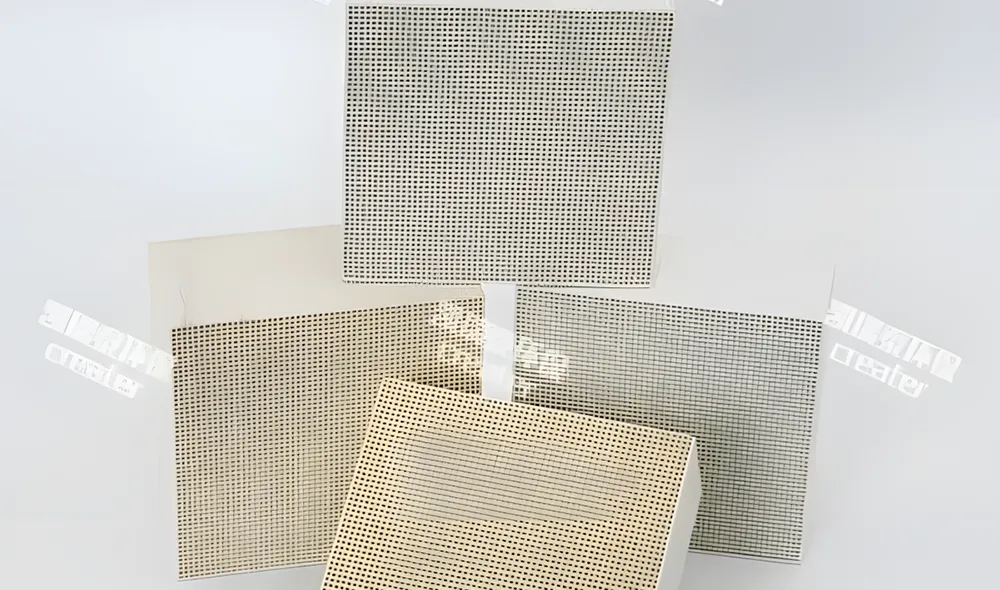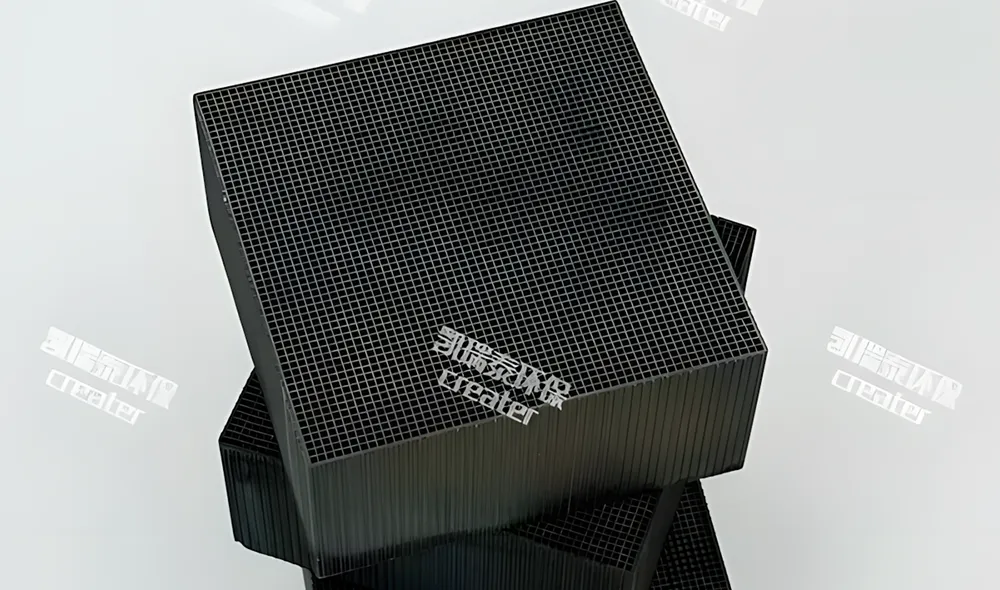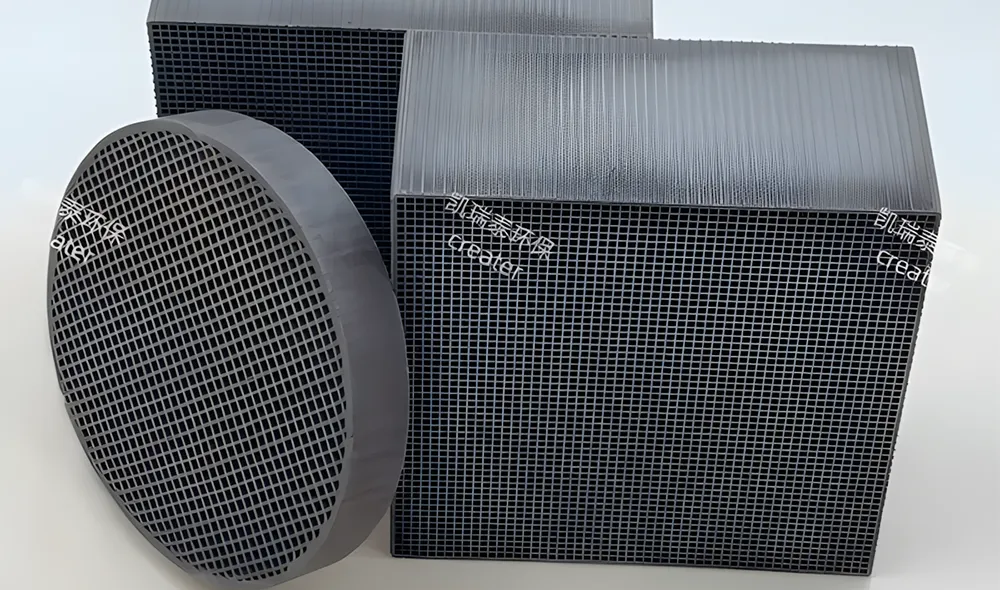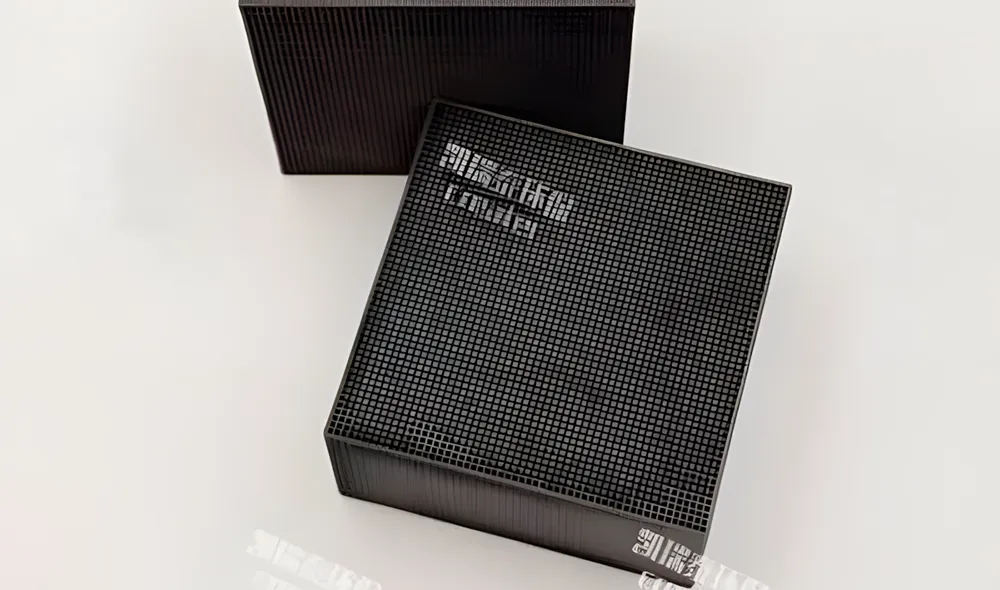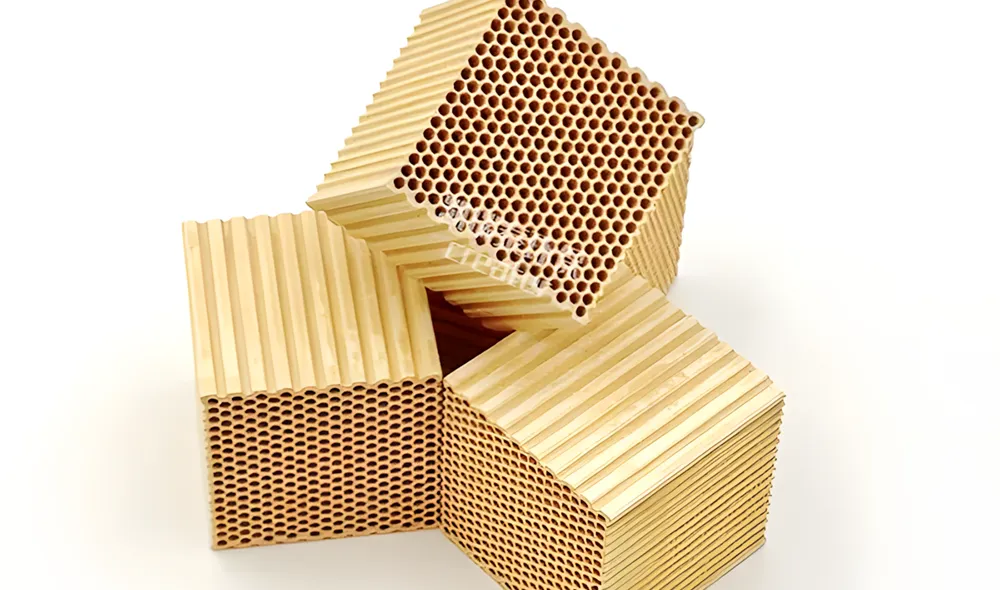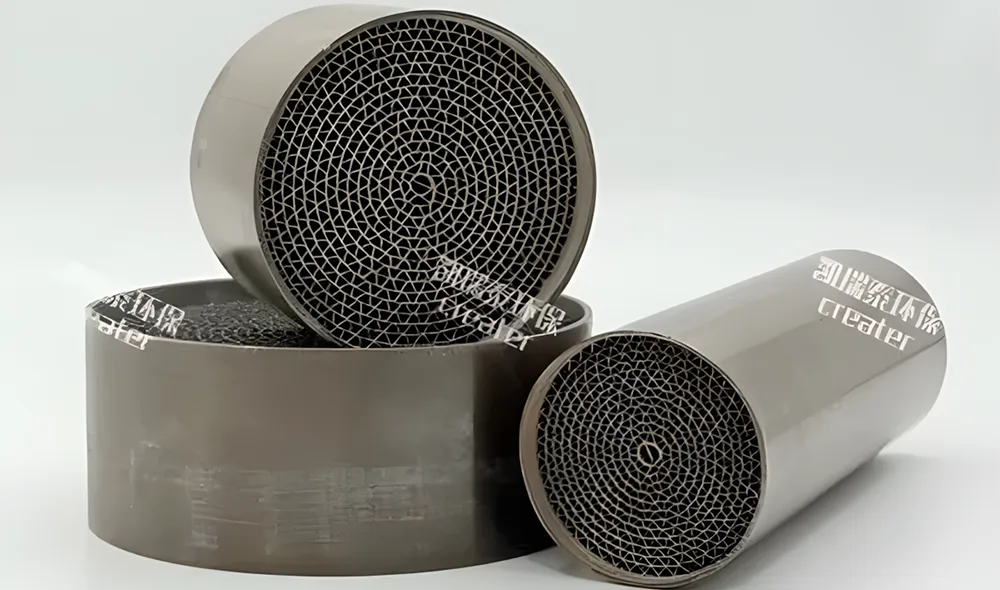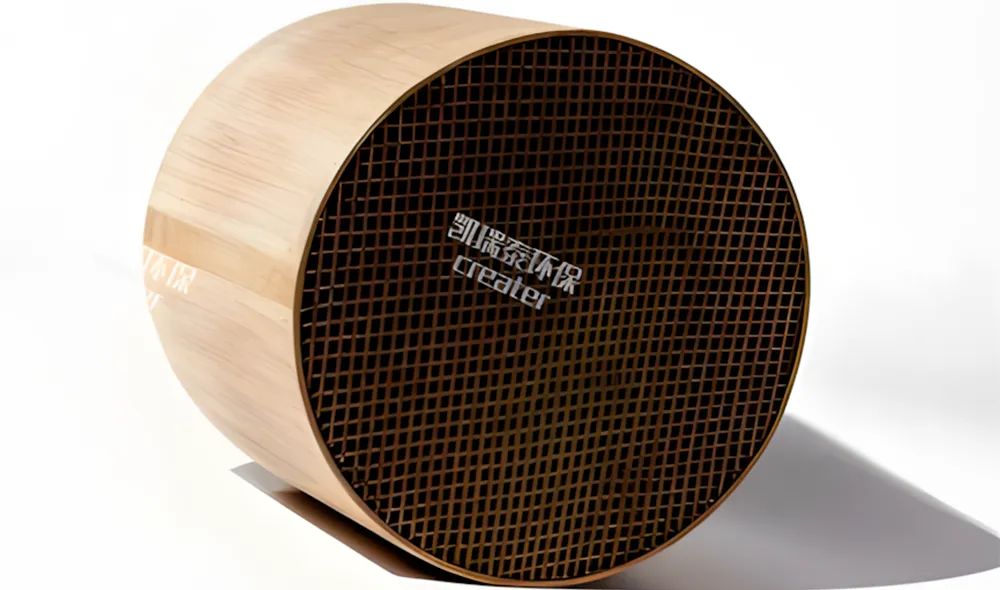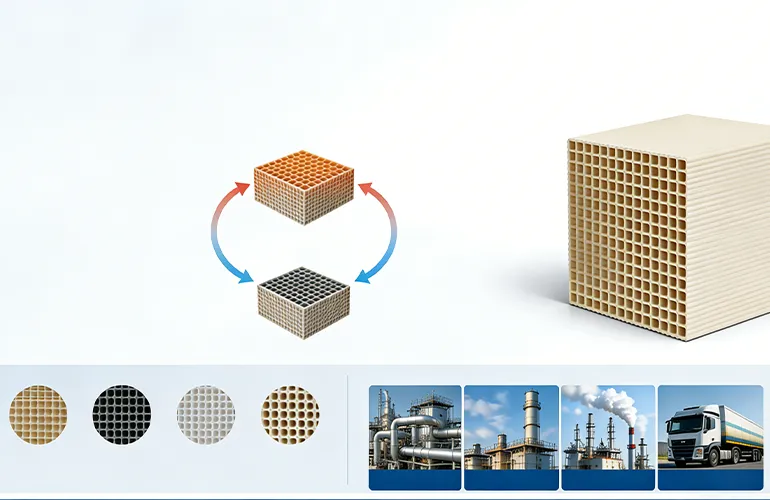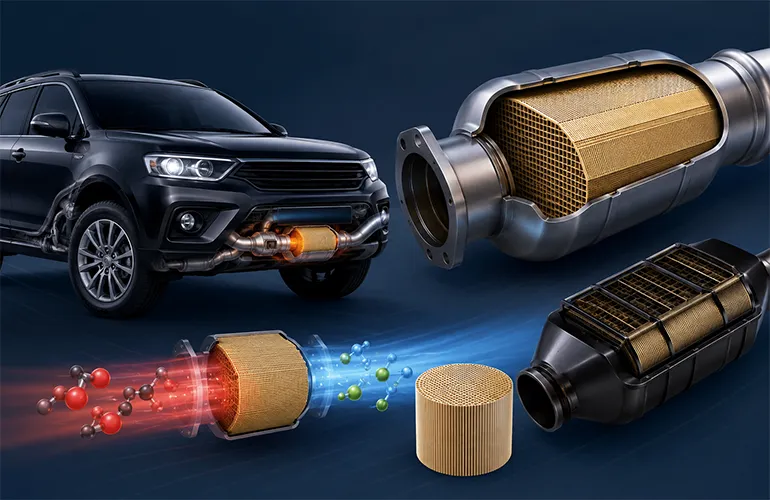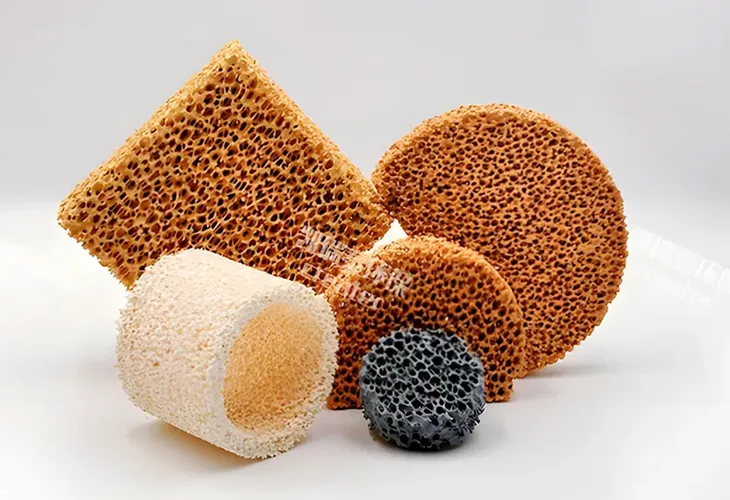
It is the core component of selective reduction catalysis technology. The raw flue gas from the kiln/boiler is first mixed with ammonia gas at 150-420 ℃, and then evenly distributed through flow guidance and rectification. Then, it passes through a honeycomb type denitrification catalyst, and the mixed flue gas undergoes catalytic reaction on the catalyst surface to generate clean nitrogen gas and water. Finally, it is discharged or enters the next unit. And SCR denitrification catalysts have small volume, large specific surface area, and high activity; Featuring high denitrification efficiency, the monomer adopts front-end hardening technology and is resistant to erosion; Suitable for a wide temperature range of 150 ℃ -420 ℃, widely used in industries such as steel, waste incineration power generation, gas heating boilers, papermaking, acid washing, cement, lime, non-ferrous metallurgy, ships, diesel engines, gas turbines, etc.
Size&SPEC
| Cell Density | Inner Wall Thickness (mm) | Outer Wall Thickness (mm) | Pore Size (mm) | Open Porosity (%) | Specific Surface Area (m²/m³) |
|---|---|---|---|---|---|
| 13×13 | 1.5 | 2.3 | 10.1 | 76.0 | 302 |
| Lime 15×15 | 1.1 | 1.7 | 8.7 | 75.7 | 347 |
| 16×16 | 1.0 | 1.5 | 6.2 | 76.4 | 372 |
| 18×18 | 1.0 | 1.4 | 7.2 | 75.2 | 415 |
| 20×20 | 1.0 | 1.5 | 6.4 | 73.3 | 456 |
| 21×21 | 0.9 | 1.4 | 6.2 | 75.1 | 485 |
| 22×22 | 0.8 | 1.3 | 5.9 | 75.4 | 509 |
| 25×25 | 0.8 | 1.3 | 5.1 | 73.2 | 569 |
| 30×30 | 0.7 | 1.2 | 4.2 | 71.4 | 667 |
| 35×35 | 0.6 | 1.2 | 3.7 | 69.5 | 780 |
| 40×40 | 0.6 | 1.0 | 3.2 | 68.8 | 887 |
| 45×45 | 0.5 | 1.0 | 2.7 | 65.6 | 972 |
Performance comparison of different types of SCR catalysts
| Performance Parameter | Honeycomb Catalyst | Plate Catalyst | Corrugated Catalyst |
|---|---|---|---|
| Forming Process | Ceramic extrusion; uniform forming; integral structure made entirely of active components | Metal substrate with surface-coated active components | Corrugated fiber substrate with surface-coated active components |
| Characteristics | Large specific surface area, high activity, small required catalyst volume; contains 50-70% more active material than other types; retains selectivity after regeneration | Small surface area, large catalyst volume; simple automated production, good gas flow; prone to clogging between modules; contains 50% less active material than honeycomb type | Surface area between honeycomb and plate types; light weight, high production automation; contains 70% less active material than honeycomb type; sensitive to gas flow; prone to clogging between modules |
| Base Material | Monolithic extrusion | Stainless steel plate | Glass fiber board |
| Required Volume (Under Identical Conditions, Relative to Honeycomb = 100) | 100 | 153-178 | 130 |
| Catalyst Activity | High | Low | High |
| Specific Surface Area | Large | Medium | Small |
| Pressure Drop | High | Medium | Low |
| Arsenic (As) Poisoning Resistance | Strong | Medium | Strong |
| Abrasion Resistance | Good | Poor | Good |
| Risk of Clogging | Medium | Low | Medium |
| Thermal Resistance | Medium | Medium | Medium |
| Application Scope | Suitable for both high and low dust conditions | Suitable for both high and low dust conditions | Mainly used for low dust conditions |
| Overall Cost | Low | Average | Relatively low |
Integrated molding, with activity throughout the body;
Small volume, large specific surface area, high activity;
Catalytic active substances are 50-70% more than other types;
Strong ability to handle flue gas and high denitrification efficiency; SOz/SO3 conversion rate<1%, NH3 escape rate<3ppm;
The monomer adopts front-end hardening technology, which is resistant to erosion;
Wide applicable temperature range: 150 ℃ -420 ℃; The degree of production automation is high.

The raw flue gas from the kiln/boiler is first mixed with ammonia at 150-420 ℃. After being guided and rectified, the flue gas is evenly distributed. Then, it passes through a honeycomb type denitrification catalyst, and the mixed flue gas undergoes catalytic reaction on the catalyst surface to generate clean nitrogen gas and water. Finally, it is discharged or enters the next unit.

Steel industry - coking, sintering, pellet production.
Municipal industry - waste incineration power generation, gas-fired heating boilers, hot spot cogeneration plants.
Chemical and light industry - waste incineration, papermaking, acid washing, pharmaceuticals.
Building materials industry - ceramics, refractory materials, glass, cement, lime.
Nonferrous metallurgical industry - lithium industry, aluminum industry, magnesium industry, silicon industry.
Transportation industry - ships, diesel engines, gas turbines.