English
How Do Automotive Catalytic Converters Work With Precious Metal Catalysts?
2026-05-18

2026-05-18
Many drivers notice strange exhaust smells or engine warning lights but do not understand how precious metal catalysts inside catalytic converters control harmful vehicle emissions.
Automotive catalytic converters use precious metal catalysts such as platinum, palladium, and rhodium as a catalyst to convert toxic exhaust gases into safer emissions before they leave the vehicle.
I still remember the first time I visited a factory that produced honeycomb ceramic catalysts. I expected simple metal parts. Instead, I saw highly engineered structures designed to survive extreme heat and chemical reactions every day. Since then, I have become more interested in how platinum catalytic technology supports cleaner transportation and stricter global emission standards.
Many vehicle owners hear about precious metal catalysts only after facing emission problems or expensive repairs. Most people do not know how important these materials really are.
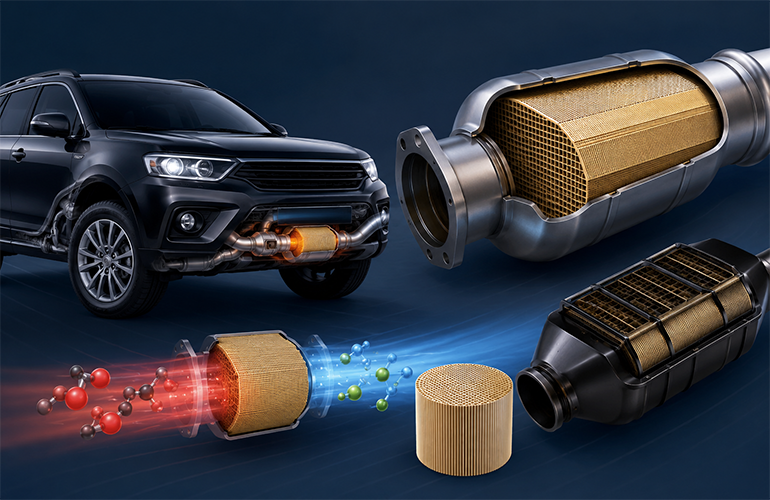
Precious metal catalysts are catalytic materials coated on ceramic or metallic honeycomb substrates that help reduce harmful exhaust emissions through high-efficiency chemical reactions.
When I first studied automotive catalytic converters, I realized the design looks simple from the outside but becomes much more advanced inside. A catalytic converter usually sits between the engine and the muffler. Exhaust gases pass through the converter before leaving the tailpipe.
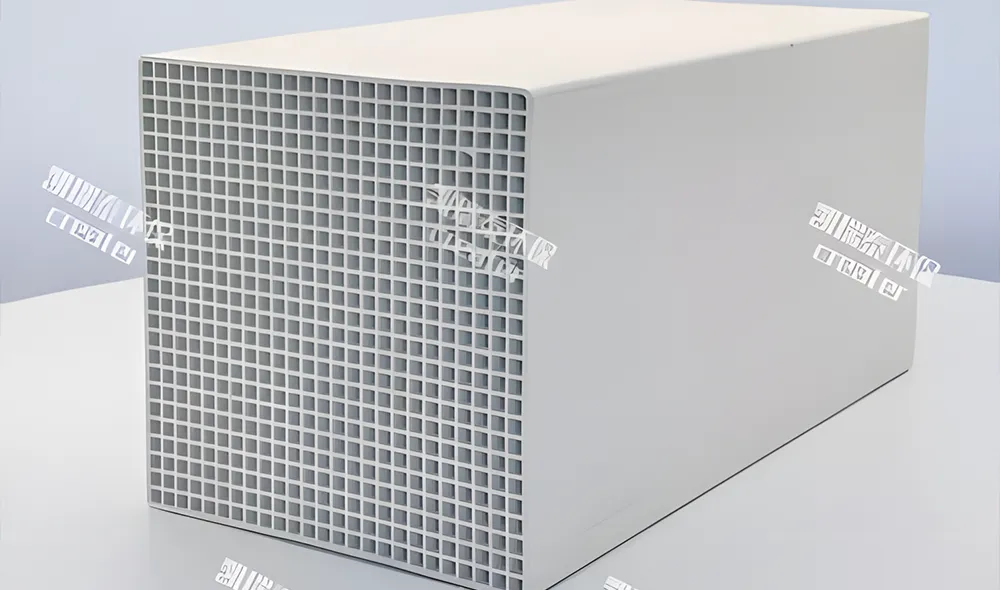
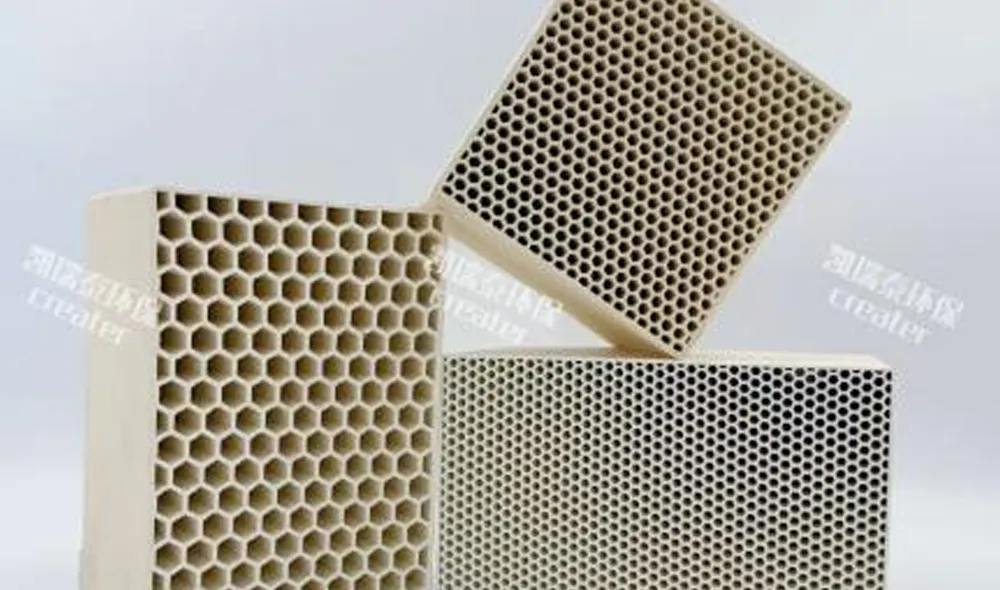
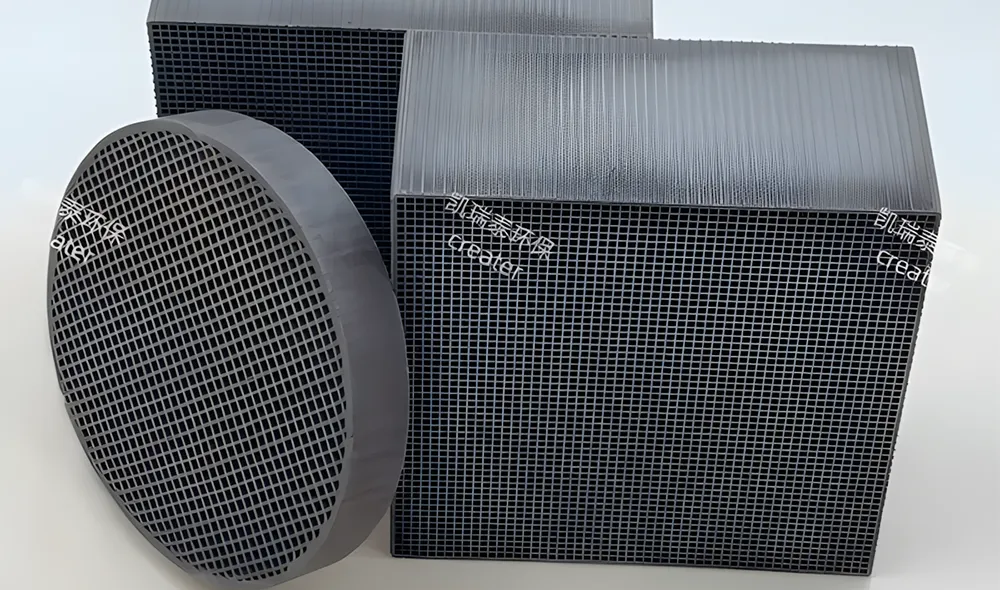
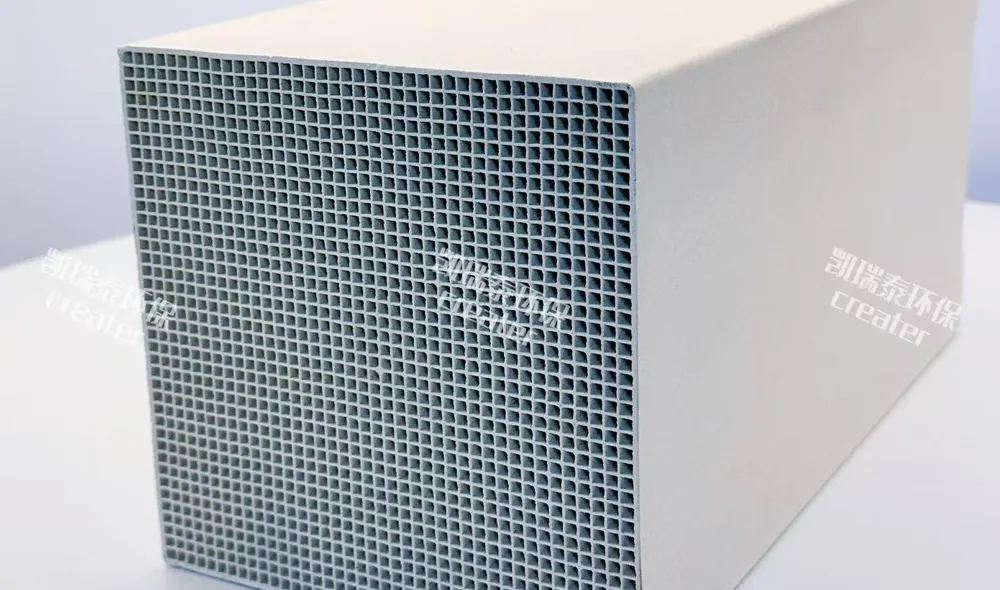
The most important part is the honeycomb substrate. This structure contains thousands of small channels. The design increases the surface area while keeping airflow resistance low. Manufacturers often use cordierite ceramic because it handles high temperatures well.
The substrate surface contains precious metal catalysts such as platinum, palladium, and rhodium as a catalyst system. These metals speed up chemical reactions without being consumed during the process.
| Component | Function |
| Honeycomb substrate | Provides large surface area |
| Platinum catalytic layer | Helps oxidize CO and HC |
| Palladium catalyst | Supports oxidation reactions |
| Rhodium as a catalyst | Helps reduce NOx gases |
| Metal shell | Protects internal structure |
I noticed that modern catalytic converters must balance efficiency, durability, and airflow. If the airflow becomes restricted, engine performance can drop. If catalyst loading becomes too low, emission performance suffers.
Vehicle exhaust contains dangerous gases that damage air quality and human health. Without proper treatment, engines release large amounts of toxic pollutants every day.
Platinum catalytic materials and rhodium as a catalyst reduce harmful emissions by accelerating oxidation and reduction reactions inside the honeycomb catalyst structure.
I used to think the catalytic converter simply filtered dirty gases like an air purifier. Later, I learned the process depends on chemistry, not filtration. Inside the honeycomb channels, exhaust gases contact catalyst-coated surfaces at high temperatures. The precious metal catalysts trigger oxidation and reduction reactions.
The main pollutants include:
Carbon monoxide (CO)
Hydrocarbons (HC)
Nitrogen oxides (NOx)
The catalytic converter changes them into:
Carbon dioxide (CO₂)
Nitrogen (N₂)
Water vapor (H₂O)
Three-way catalytic converters are very common in gasoline vehicles because they handle all three pollutants at the same time.
| Harmful Gas | Reaction Type | Final Product |
| CO | Oxidation | CO₂ |
| HC | Oxidation | CO₂ + H₂O |
| NOx | Reduction | N₂ + O₂ |
Temperature plays a very important role. Most converters work best between 400°C and 800°C. If the converter stays too cold, reaction efficiency drops sharply.
I also learned that the honeycomb shape matters a lot. The structure allows gases to spread evenly while reducing back pressure. This helps maintain engine performance and fuel efficiency.
Many people hear that catalytic converters contain expensive metals but do not understand why these precious metal catalysts are necessary for emission control systems.
Platinum catalytic materials and rhodium as a catalyst are important because they provide excellent catalytic activity, thermal stability, and long-term durability under harsh exhaust conditions.
The first time I checked precious metal prices, I understood why catalytic converters became valuable components in the automotive industry. These metals are rare, expensive, and highly effective.
Each precious metal catalyst has a different role. Platinum catalytic materials work well in oxidation reactions. They help convert carbon monoxide
Palladium also supports oxidation reactions. Many manufacturers now use more palladium because platinum prices can fluctuate heavily.Rhodium as a catalyst mainly reduces nitrogen oxides. Even small amounts can greatly improve NOx reduction efficiency.
| Precious Metal | Main Function | Common Application |
| Platinum catalytic material | Oxidation | Diesel catalysts |
| Palladium catalyst | Oxidation | Gasoline catalysts |
| Rhodium as a catalyst | NOx reduction | Three-way catalysts |
I noticed that catalyst manufacturers constantly adjust metal ratios depending on emission standards, fuel quality, and market prices.
One challenge involves catalyst poisoning. Sulfur, lead, and phosphorus can damage catalyst surfaces. This reduces efficiency over time. Poor fuel quality and engine problems often speed up this process.
Modern automotive catalyst research focuses on reducing precious metal catalyst usage while keeping high conversion efficiency. This helps lower production costs without sacrificing emission performance.
Many drivers only notice catalytic converter issues after seeing warning lights, failed emission tests, or reduced engine performance. By then, the damage may already be serious.
Precious metal catalysts can lose efficiency because of overheating, contamination, physical damage, poor fuel combustion, or long-term chemical exposure inside exhaust systems.
I once spoke with a mechanic who showed me several damaged honeycomb catalysts. Some had melted channels. Others had broken ceramic structures. The damage often started from engine problems, not from the converter itself.
One common issue is overheating. Unburned fuel entering the converter can raise temperatures beyond safe limits. This may melt the ceramic substrate. Another problem is catalyst poisoning. Contaminants block active catalyst surfaces and reduce chemical reactions.
Common causes include:
Engine misfires
Oil leakage
Poor fuel quality
Coolant leakage
Physical impacts
| Problem | Effect on Converter |
| Engine misfire | Overheating |
| Sulfur contamination | Reduced catalyst activity |
| Oil burning | Surface blockage |
| Broken substrate | Restricted airflow |
| Fuel imbalance | Lower conversion efficiency |
I learned that regular engine maintenance helps protect precious metal catalysts more than many drivers realize. Healthy combustion keeps exhaust temperatures stable and reduces contamination risks.
Modern vehicles also use oxygen sensors to monitor catalyst efficiency. If the system detects abnormal emissions, the engine warning light may appear.
As emission regulations become stricter worldwide, automotive catalytic converter technology continues to improve. Manufacturers now focus on durability, thermal stability, and higher conversion efficiency for both gasoline and diesel vehicles.
For an overview of how three-way catalysts work and why they matter for emissions control, you can read the U.S. EPA introduction here:
https://www.britannica.com/technology/catalytic-converter
Automotive catalytic converters use precious metal catalysts, platinum catalytic technology, and rhodium as a catalyst to reduce harmful emissions and support cleaner transportation worldwide.
1) Why do catalytic converters use precious metals instead of cheaper materials?
Platinum, palladium, and rhodium provide very high catalytic activity and stability at exhaust temperatures, enabling efficient conversion of CO, HC, and NOx for long service life.
2) Can a catalytic converter "wear out" even if it isn't physically broken?
Yes. Catalyst surfaces can degrade from poisoning (sulfur, phosphorus), thermal aging, or contamination, reducing conversion efficiency without obvious external damage.
3) What are common signs of catalytic converter problems?
Check-engine light, sulfur/rotten-egg smell, failed emissions test, reduced power, rattling noises (broken substrate), or increased fuel consumption.
4) Does driving style affect catalyst life?
Yes. Frequent misfires, running rich, and short trips that never warm the exhaust can damage or foul the catalyst and reduce its effectiveness.
5) Is it safe to keep driving with a failing catalytic converter?
It depends on severity. Some failures mainly raise emissions, while others can cause severe restriction, overheating, and potential engine damage—diagnosis should be done promptly.