English
How Does Ceramic Honeycomb Work
2026-05-18

2026-05-18
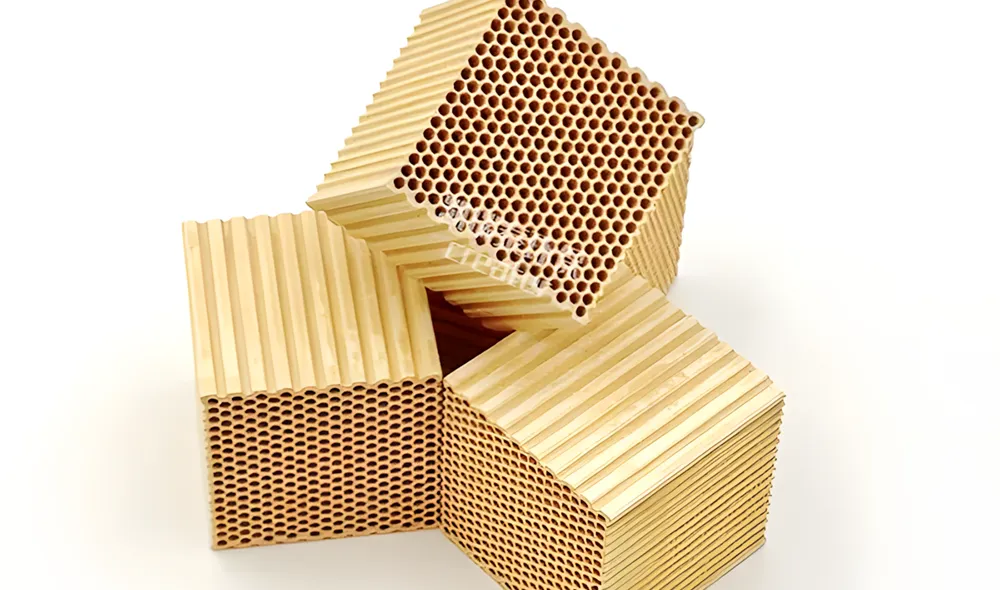
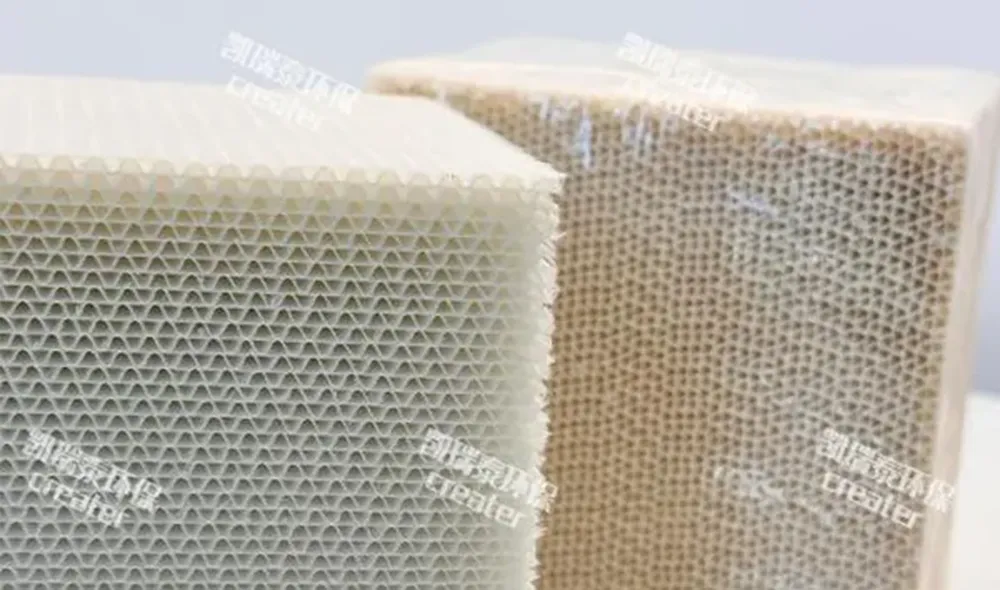
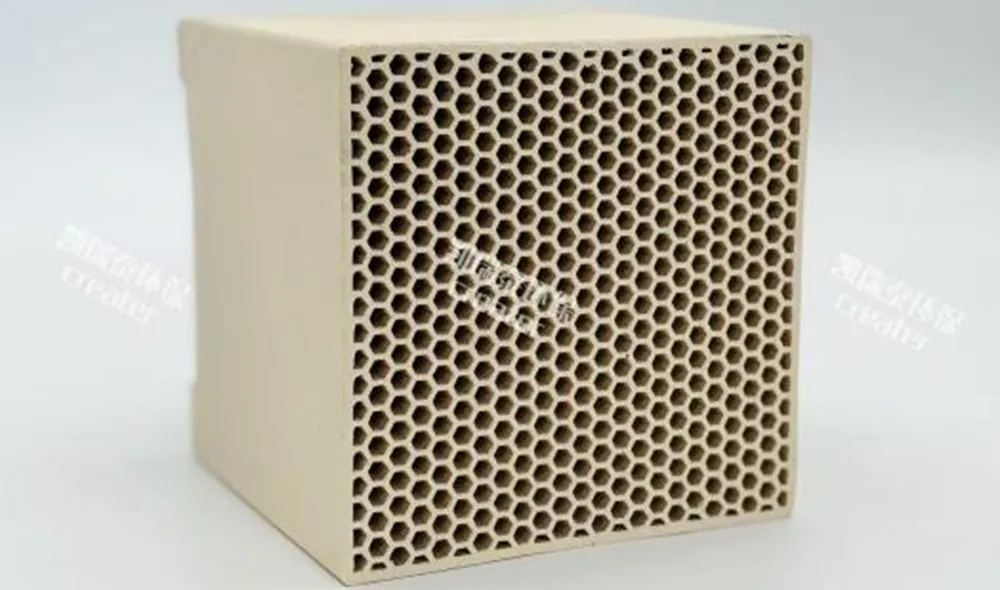
Ceramic honeycomb looks simple from the outside. Yet many buyers struggle to understand why this structure matters so much in heat exchange and gas treatment systems. Ceramic honeycomb works by guiding airflow through thousands of small channels. This design increases surface area, improves heat transfer, lowers pressure drop, and supports catalytic reactions in industrial systems such as RTO, SCR, and diesel exhaust treatment.
When I first learned about ceramic honeycomb technology, I thought it was only a ceramic block with holes. Later, I found that the internal structure controls airflow, temperature balance, and even pollution treatment efficiency. That is why ceramic honeycomb has become a key material in many industrial applications today.
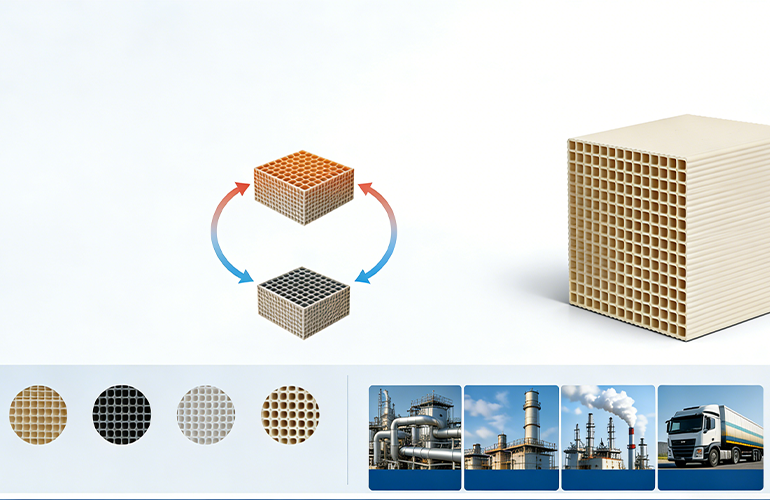
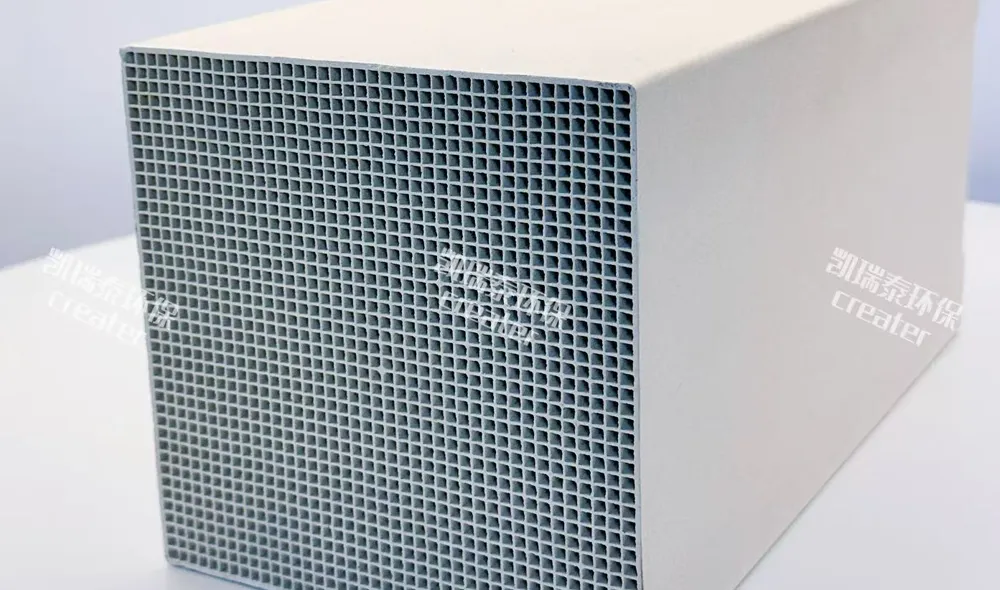
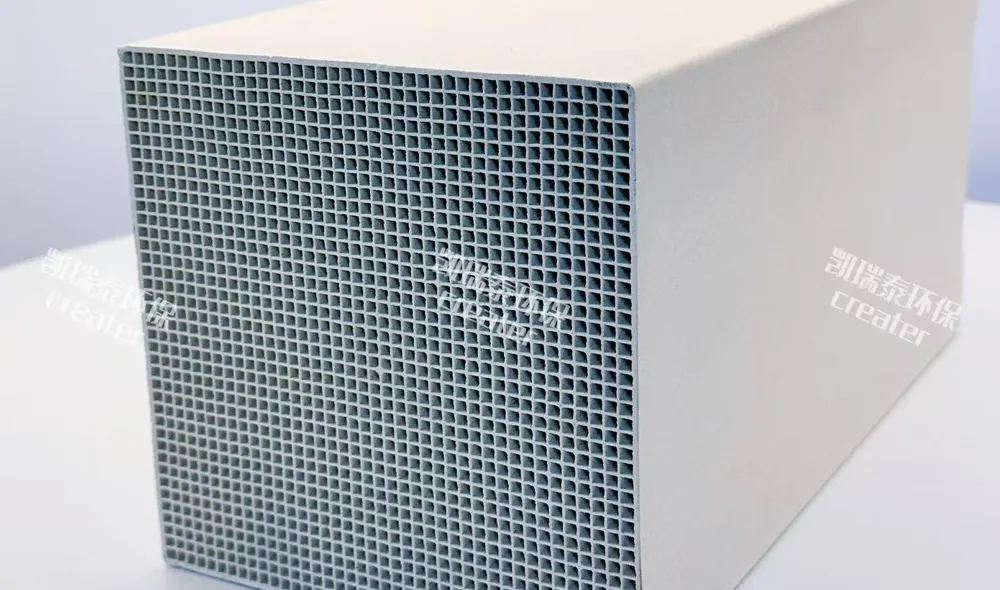
Many industrial systems lose energy because airflow becomes uneven or blocked. Traditional solid ceramic materials also create high resistance and poor heat transfer during operation. Ceramic honeycomb uses thousands of parallel channels to guide gas flow evenly. The honeycomb structure creates a large surface area while keeping airflow resistance low. This improves heat exchange and catalytic efficiency at the same time.
When I visited a factory for the first time, I noticed that every ceramic honeycomb block looked almost identical from the outside. The real difference was inside the channels. Engineers explained to me that the honeycomb design is not only about shape. It is about controlling gas movement. The channels allow hot gas to move through the ceramic body smoothly. This process spreads heat across the structure more evenly.
At the same time, the large internal surface area allows more contact between gas and catalyst coatings. This is very important in VOC treatment and exhaust purification systems. The structure also helps reduce pressure drop. If airflow resistance becomes too high, industrial systems consume more energy. Honeycomb ceramic solves this problem by balancing surface area and airflow efficiency.
| Feature | Function |
| Parallel channels | Guide airflow evenly |
| Thin walls | Improve heat transfer |
| Large surface area | Support catalytic reactions |
| Low pressure drop | Reduce energy consumption |
| Thermal stability | Handle high temperatures |
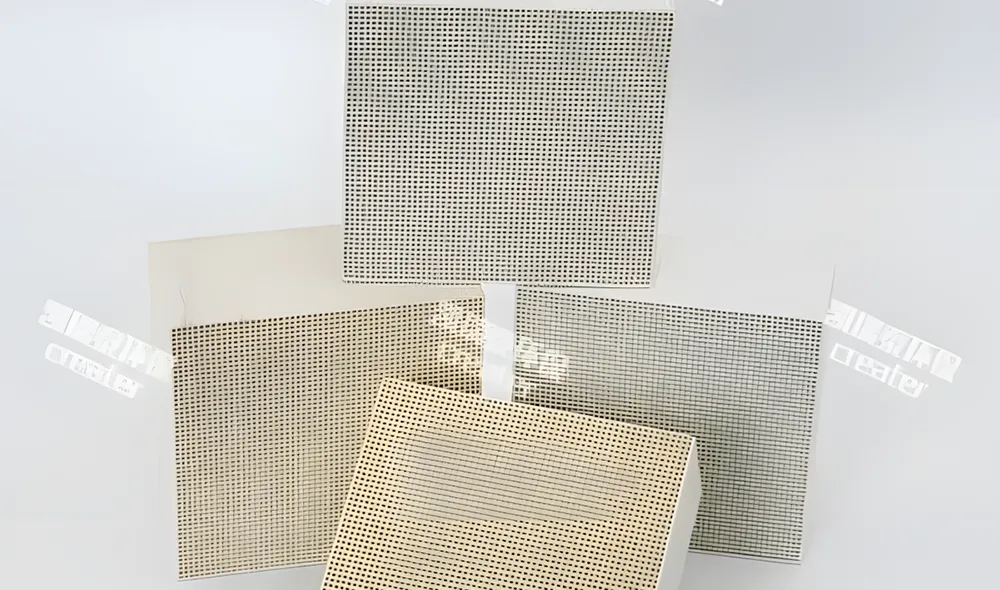
I also found that different channel densities affect system performance. Some applications use low CPSI for better airflow. Others use high CPSI for stronger catalytic activity. This balance depends on the industry and operating conditions.
Many industrial furnaces waste a large amount of heat every day. This raises fuel costs and creates more emissions during production. Ceramic honeycomb stores and releases heat through its large internal surface area. Hot gas heats the ceramic walls first. Then the stored heat transfers back to incoming cooler air during the next cycle. I once worked on content related to regenerative thermal oxidizers.
At first, I did not fully understand why ceramic honeycomb was always mentioned in RTO systems. Later, I learned that heat recovery is the main reason. The ceramic body absorbs thermal energy from exhaust gas. The heat stays inside the honeycomb structure because ceramic materials have strong thermal stability.
During the next airflow cycle, cooler incoming air passes through the heated channels. The stored energy moves back into the airflow. This process reduces fuel use because the system reuses existing heat instead of creating new heat continuously. In many factories, this can lower operating costs significantly. The honeycomb structure also increases contact between air and ceramic walls. More contact means faster heat exchange. Solid ceramic blocks cannot achieve the same efficiency because their internal surface area is much smaller.
| Heat Transfer Step | What Happens |
| Hot gas enters | Ceramic absorbs heat |
| Heat storage | Thermal energy stays inside ceramic |
| Cool air enters | Stored heat transfers back to airflow |
| Continuous cycling | Energy efficiency improves |
I also learned that material selection matters a lot. Cordierite ceramic is widely used because it handles thermal shock well. Silicon carbide performs better under extremely high temperatures. Different industries choose different materials based on operating conditions.
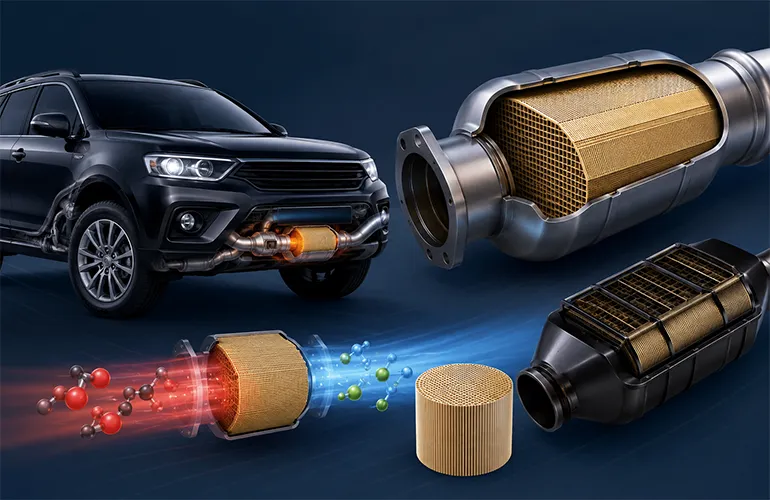
Many industrial gases contain harmful pollutants. Without proper treatment, factories can face environmental penalties and serious air pollution problems. Ceramic honeycomb supports catalytic reactions by providing a stable surface for catalyst coatings. The structure increases gas contact time and improves reaction efficiency in VOC, SCR, and exhaust treatment systems.
When I first studied catalyst systems, I thought the catalyst itself did all the work. Later, I realized that the ceramic substrate is equally important. Without the right carrier structure, even a strong catalyst cannot perform well. The honeycomb channels expose polluted gas to catalyst-coated surfaces. As gas flows through the channels, chemical reactions happen on the walls. Harmful compounds then convert into safer substances such as carbon dioxide, nitrogen, or water vapor.
The ceramic substrate must remain stable under high temperatures. Industrial systems often run continuously for long hours. The honeycomb structure keeps its shape even under harsh conditions. This stability protects catalytic performance over time. Another important factor is gas distribution. Uneven airflow can reduce reaction efficiency. The parallel channel structure helps gas spread more evenly across the catalyst surface.
| Application | Main Purpose |
| VOC treatment | Remove organic pollutants |
| SCR denitration | Reduce NOx emissions |
| Diesel exhaust purification | Lower harmful vehicle emissions |
| Chemical processing | Improve reaction efficiency |
I also noticed that many modern environmental systems combine ceramic honeycomb with precious metal catalysts. Platinum, palladium, and rhodium are commonly used. These materials increase reaction speed and improve purification efficiency.
Some ceramic honeycomb products crack under sudden temperature changes. Others fail in highly corrosive environments. Material selection directly affects system life and efficiency. Different ceramic honeycomb materials offer different strengths. Cordierite provides strong thermal shock resistance. Silicon carbide handles higher temperatures. Mullite and alumina improve corrosion resistance in special industrial environments. At first, I assumed all ceramic honeycomb products used the same material. Later, I learned that choosing the wrong material can damage an entire system.
Cordierite is one of the most common materials because it balances cost, thermal stability, and durability. Many RTO systems use cordierite honeycomb for this reason. It performs well under repeated heating and cooling cycles. Silicon carbide works better in extreme temperature environments. It transfers heat faster and handles higher thermal loads. However, it is usually more expensive than cordierite. Alumina and mullite materials appear more often in chemical processing systems. These materials resist corrosion and chemical attack more effectively.
| Material | Main Advantage | Common Application |
| Cordierite | Thermal shock resistance | RTO systems |
| Silicon carbide | High heat resistance | High-temperature furnaces |
| Alumina | Chemical resistance | Chemical processing |
| Mullite | Structural stability | Industrial heat systems |
I found that buyers often focus only on price. Yet long-term system stability usually matters more. A cheaper material may fail faster under difficult operating conditions. That can increase maintenance costs later.
Ceramic honeycomb works because its structure controls airflow, heat transfer, and catalytic reactions efficiently. This simple design supports modern industrial energy saving and environmental protection systems.
For a general overview of ceramics (properties such as thermal stability and chemical resistance that make honeycomb substrates possible), see:
https://www.britannica.com/technology/ceramic-composition-and-properties
1) What does CPSI mean, and why does it matter for ceramic honeycomb?
CPSI means "cells per square inch." Higher CPSI increases surface area (better heat transfer/catalysis) but can increase pressure drop; lower CPSI improves airflow but offers less surface area.
2) Is ceramic honeycomb only used for catalytic converters?
No. It is widely used in RTO heat recovery media, SCR catalyst substrates, heat exchangers, filtration, and other gas-treatment systems.
3) How do I choose between cordierite and silicon carbide honeycomb?
Cordierite is preferred for thermal shock resistance and cost-effectiveness in many RTO systems. Silicon carbide is better for very high temperatures and faster heat transfer, but it usually costs more.
4) What causes ceramic honeycomb to crack or fail?
Common causes include thermal shock (rapid temperature changes), mechanical impact, installation stress, vibration, and chemical corrosion depending on the gas composition.
5) Does higher surface area always mean better performance?
Not always. More surface area can improve heat transfer and catalytic reaction rates, but if pressure drop becomes too high, system energy consumption and operating stability can suffer. Balancing airflow and surface area is key.